
Ordinary Time
The power of paying attention and leaning into everyday awe

I’ve been walking or rolling the streets of my neighborhood every day, twice a day for the nine and a half years that we’ve lived in Ohio. I know every tree, every house, every crack in the pavement. It is a daily ritual of utmost importance, but one that I often take for granted. Lately we’ve been walking early in the morning to avoid the intensity of the summer heat. It’s a beautiful time of day, an orange and pink glow in the eastern sky as the sun rises through the trees. The birds are usually singing, not yet joined by the drone of cicadas, which usually kick up mid-morning as the heat takes hold. No one is driving around yet, and I don’t even see other neighbors walking their dogs. It’s quiet and beautiful, and I am usually hopelessly lost in my own thoughts. This week, though, I’ve been making an effort to listen to the natural world around me instead of the doom and gloom narrative of thoughts running through my mind about the sorry state of our country here in the US.
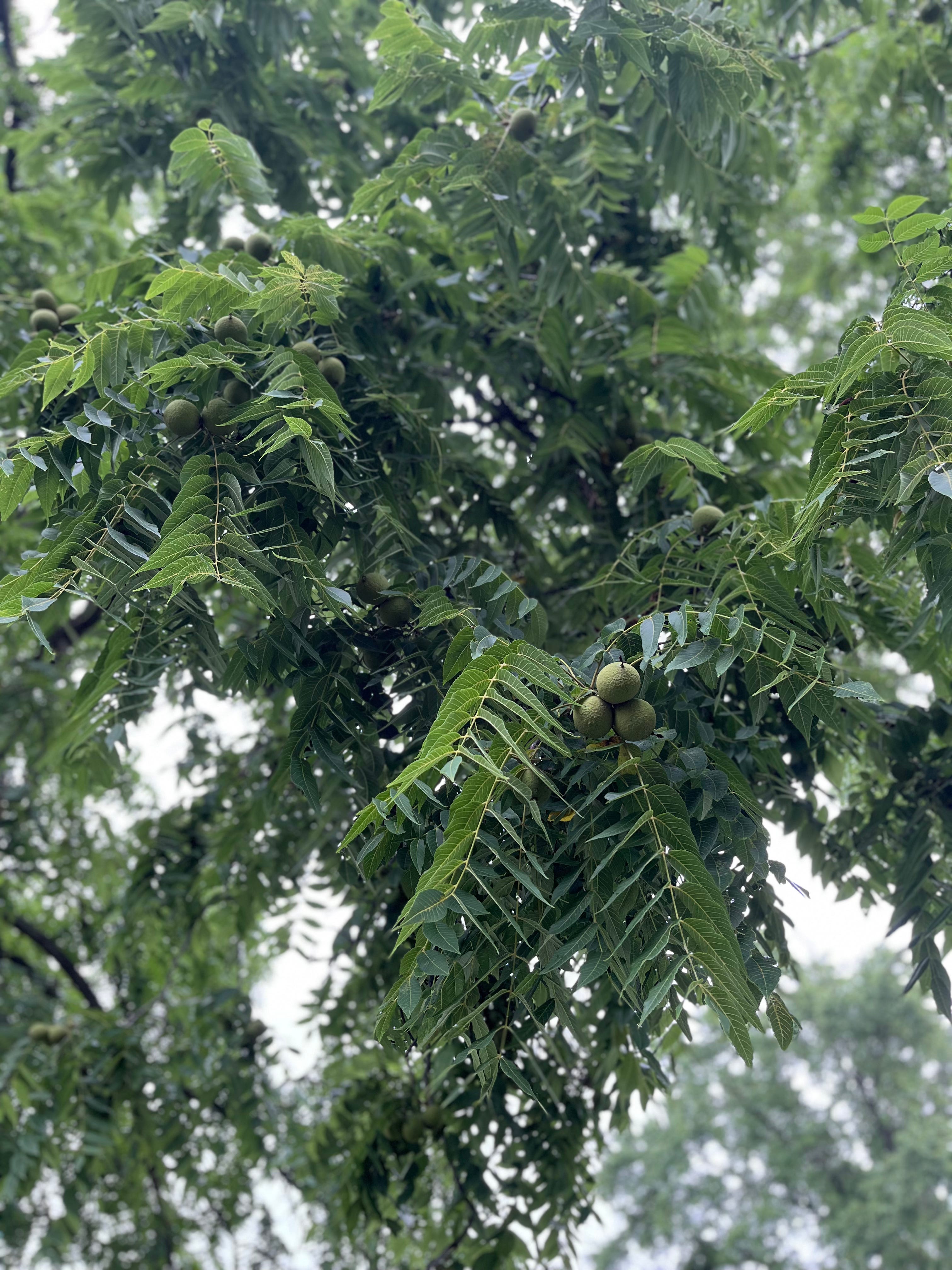
We pass some truly amazing trees on our daily peregrinations—huge oaks, walnuts and maples with vast tall canopies, and a fair number of firs, pointing nobly towards the sky with their thick branches providing the coolest of deep shade. So instead of just moving down the street with my head down, worrying about politics, I’ve started looking up and listening with my whole body. Whenever I read the work of environmental philosopher David Abram, I remember that the whole landscape is alive and full of persons, only some of whom are human. The trees talk to one another, through their roots and through the air via the pheromones they secrete from their leaves. The birds, obviously, are talking to anyone who is listening. There is also a family of deer, a mother with two spotted fawns, who I often see nibbling on flowers and other carefully planted foliage. Sometimes the odor of a skunk lingers in the early morning air, a reminder of other more shy residents.
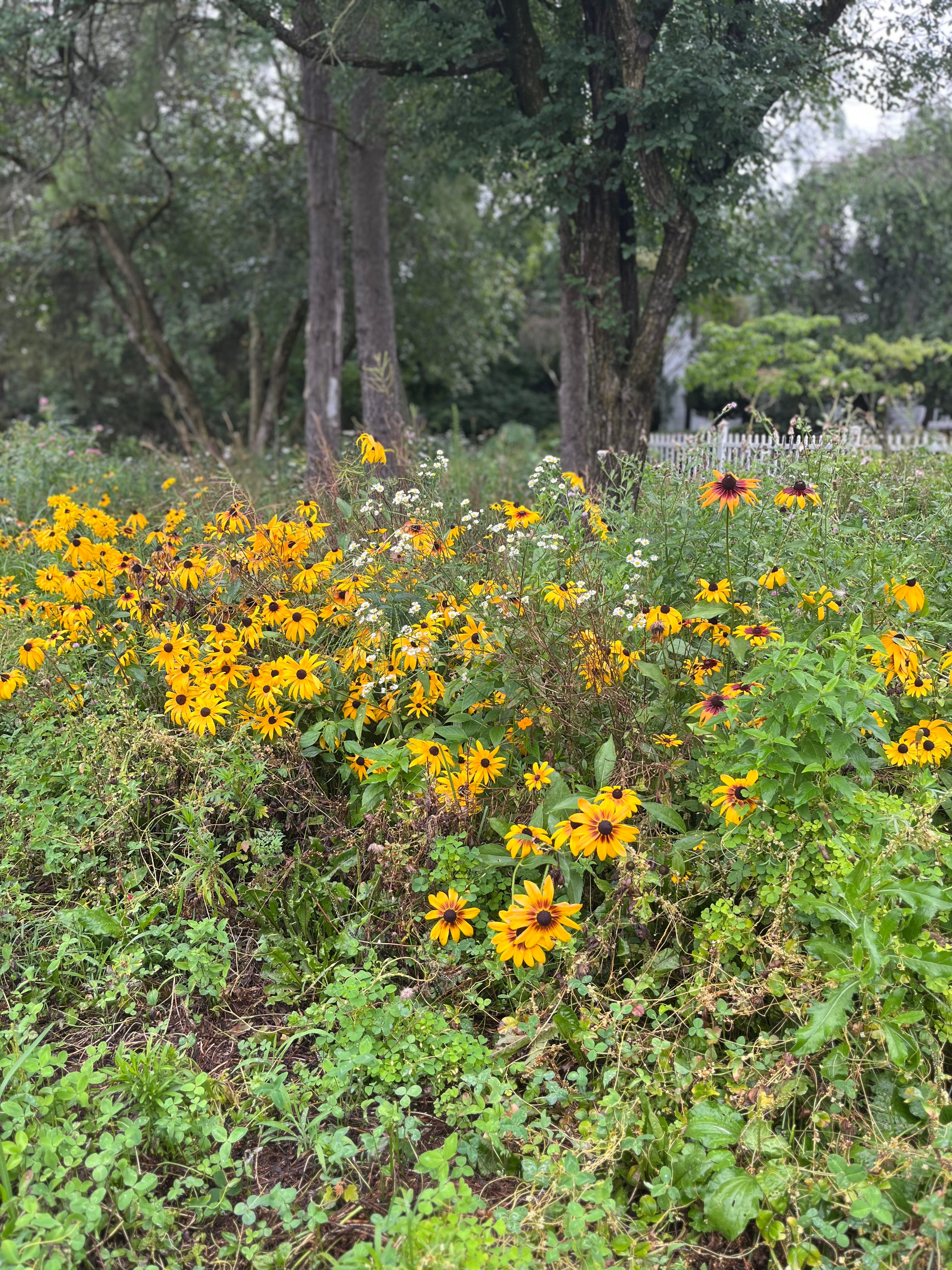
Too often I pass by all of this beauty with little thought, either because it’s so familiar, or because my own thoughts feel more important. But when I went out on a dewy Monday morning after overnight showers, I tried to pay attention to all of what was happening around me. And I was amazed. The way the water drops lingered on the ends of green pinecones, shimmering in the pink morning light. The utter cacophony of birds, calling to one another, singing, making a general, beautiful racket from the tree branches. The air smelled of the musk of decaying leaves turning fast into mulch for new seedlings. There were wildflowers growing tall in the small prairie one of my neighbors is growing in their front yard, and even a dragonfly buzzing around high above my head. I spent half an hour like that, feet tapping a rhythm into the earth as I walked and watched, and I felt my heart begin to open.
Every day for the rest of the week, I practiced paying attention, practiced listening to the trees and the birds and the land itself. And I began to feel better, less consumed by worry and anger. Last summer about this time, in the midst of the contentious early election rhetoric of fear, I started re-reading A Path with Heart by Jack Kornfield, a well-known Buddhist teacher and psychologist. It is a weighty book filled with rich wisdom and it has taken me an entire year to get to the last chapter. One of my all-time favorite quotes among many is this: “The heart is our garden, and along with each action there is an intention that is planted like a seed” (272). A few pages later he goes on to expand upon this by saying, “We can plant seeds in our heart that will create the kind of kingdom the world will be, whether it be wicked and evil or good and compassionate” (283). My life is usually very small. On a normal day I might only talk with my partner and one or two other people. I sit at my desk and write and plan and answer emails. I’m not out on the street standing up to ICE or meeting with senators who are turning their backs on the poor. I don’t work in a classroom guiding wide-eyed young people along their own journey of ethical formation. I sit, and write, and tell stories worth sharing for the two organizations I work for, Central District Conference and Anabaptist Disabilities Network.
But I have a choice about how I do this work, with a heart full of hate and fear, or a heart full of love. I have forgotten this lately, and these may sound like easy words to soothe the guilt I feel at my own complicity in the complex problems playing out in my society, but it’s more profound than that. Every small action matters. It matters if I am kind to the person checking out my groceries in the store, if I am patient in traffic instead of incensed about being late, if I take time to chat with my elderly neighbors who don’t get out much. If I go out into the world with my heart filled with hate for those who are wreaking wanton destruction on vulnerable people and the vulnerable earth, then I only act out of anger, and I miss the chance to sow seeds of compassion and kindness instead.
A few pages later Kornfield writes, “The worst problems on this earth—warfare, poverty, ecological destruction, and so forth—are created from greed, hatred, prejudice, delusion, and fear in the human mind. To expand the circle of our practice and to face the sorrow in the world around us, we must face these forces in ourselves” (295). So each morning, when I step outside into the quiet light of a new day, I practice being present, paying attention. The work on my desk and in my head can wait. The fears I carry close to my heart will still be there when I need to pick them back up. The state of the country doesn’t need to be set to rights this morning in my mind as I walk.
There is only me, and my dog, and a brilliant world surrounding us, bursting with life waiting to be witnessed. We underestimate the power of awe in our lives. Awe pulls us out of our small selves and our small fears and reminds us of the vast beauty of the universe. The everyday awe of vibrant trees and singing birds is a reminder to sow seeds of love, to pay attention to beauty in the midst of grief, to take a moment to be still in a world screaming for your anger.
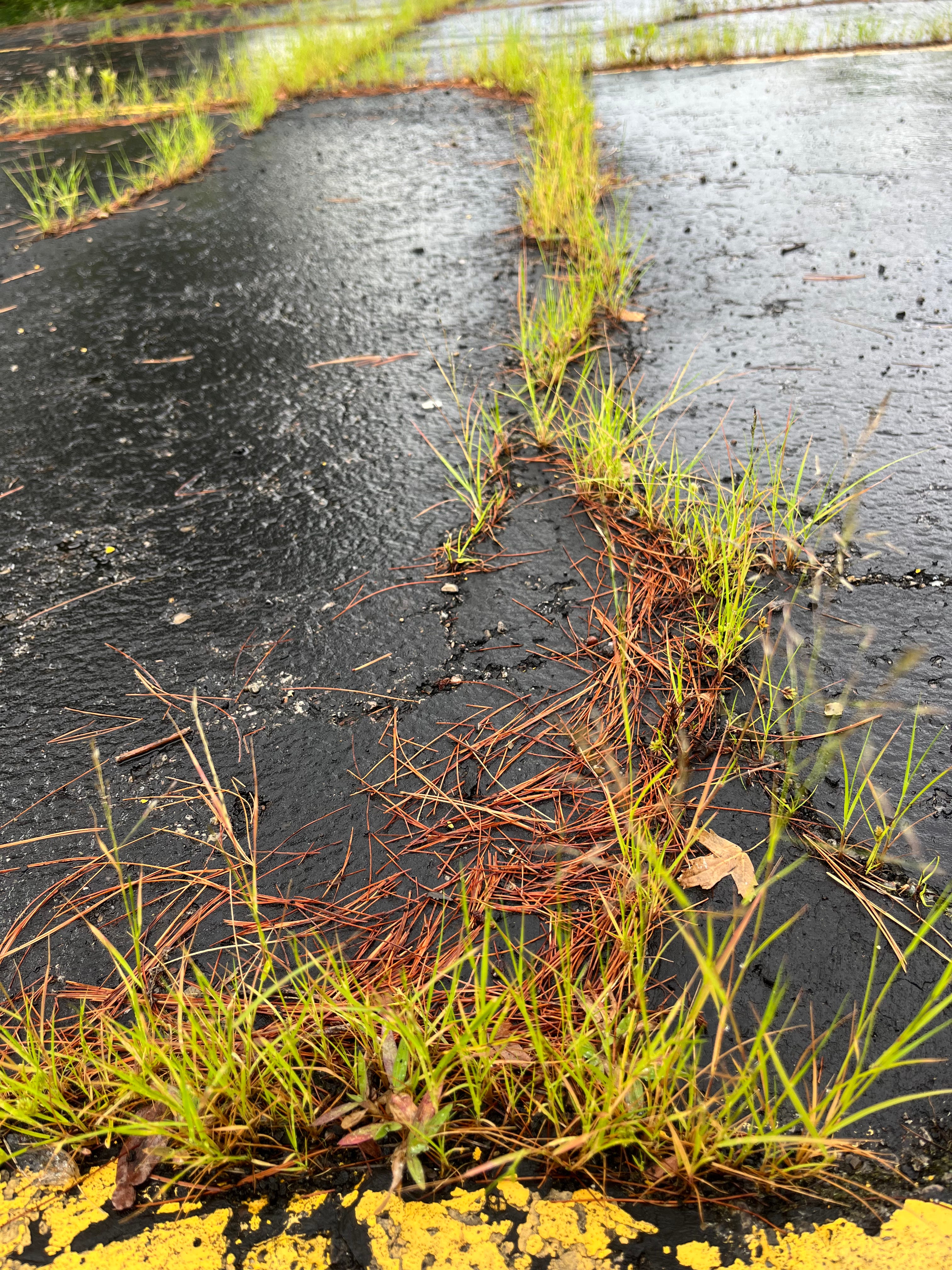
It’s important, what’s happening in the world, and that I do things to change it for the better. But the world doesn’t need to have ahold of my soul every moment of every day. There is also time for awe and for ordinary love and extravagant acts of kindness. And there is time to pay attention to what is happening beyond my small human mind in the urban wilderness just outside my door—the path rush growing persistently in the cracked asphalt of a quiet parking lot and a fawn munching on the last of the day lilies along the roadside in the shade of a tall walnut, heavy with green fruit.